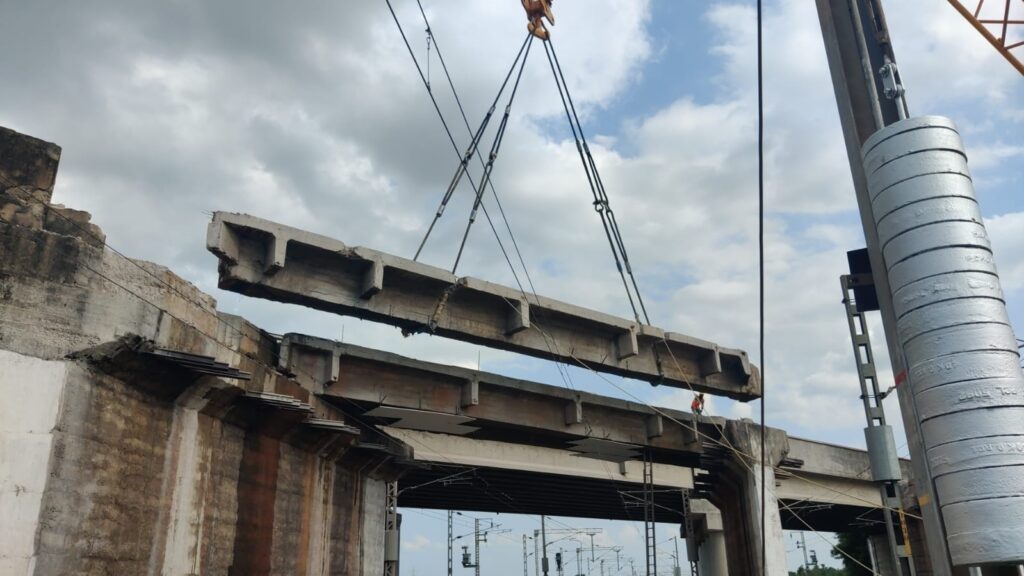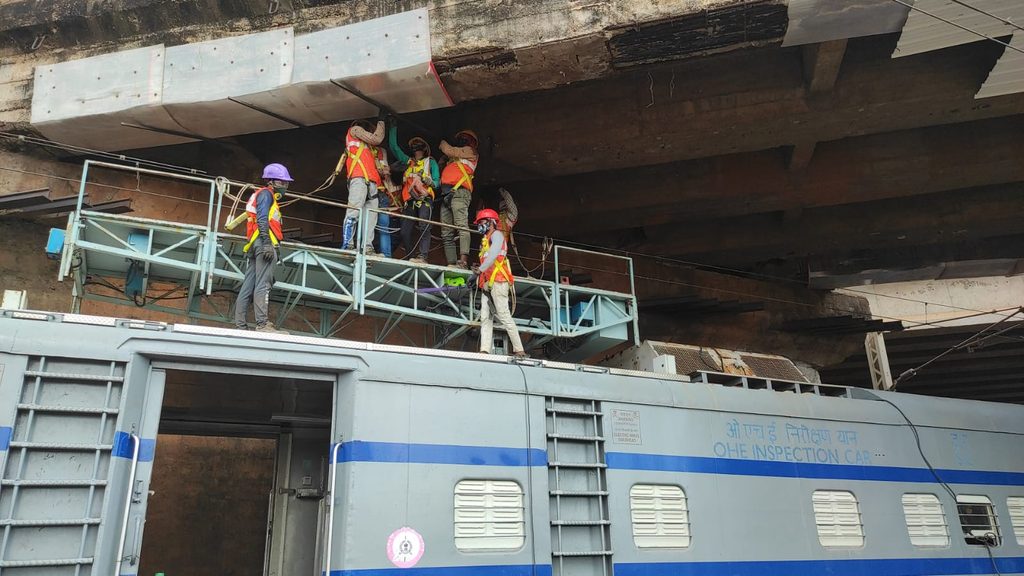
Bridge demolition is a highly specialized infrastructure activity that requires structural assessment, detailed demolition planning, traffic and public-safety coordination, suitable heavy equipment, experienced operators, and systematic debris management. Removing a bridge is significantly different from ordinary building demolition because the structure may be located above highways, railway lines, rivers, canals, roads, or other active infrastructure.
Malik Trading and Demolition provides professional Bridge Demolition Contractor and Bridge Dismantling Services for highway bridges, road bridges, RCC bridges, concrete bridges, flyovers, railway-related structures, pedestrian bridges, and other infrastructure structures.
Our approach focuses on safe, controlled, systematic, and efficient demolition, with appropriate attention to structural stability, surrounding assets, traffic conditions, equipment access, material recovery, and site clearance.
Bridge dismantling specifications used in Indian infrastructure works emphasize systematic dismantling, protection of existing components, dust control, worker protection, service-line isolation, and proper handling of dismantled materials.
Our Bridge Demolition Services can cover:
- Complete bridge demolition
- Partial bridge demolition
- RCC bridge demolition
- Concrete bridge demolition
- Steel bridge dismantling
- Flyover demolition
- Road bridge demolition
- Railway bridge dismantling
- Pedestrian bridge dismantling
- Deck slab demolition
- Pier demolition
- Pier cap demolition
- Abutment demolition
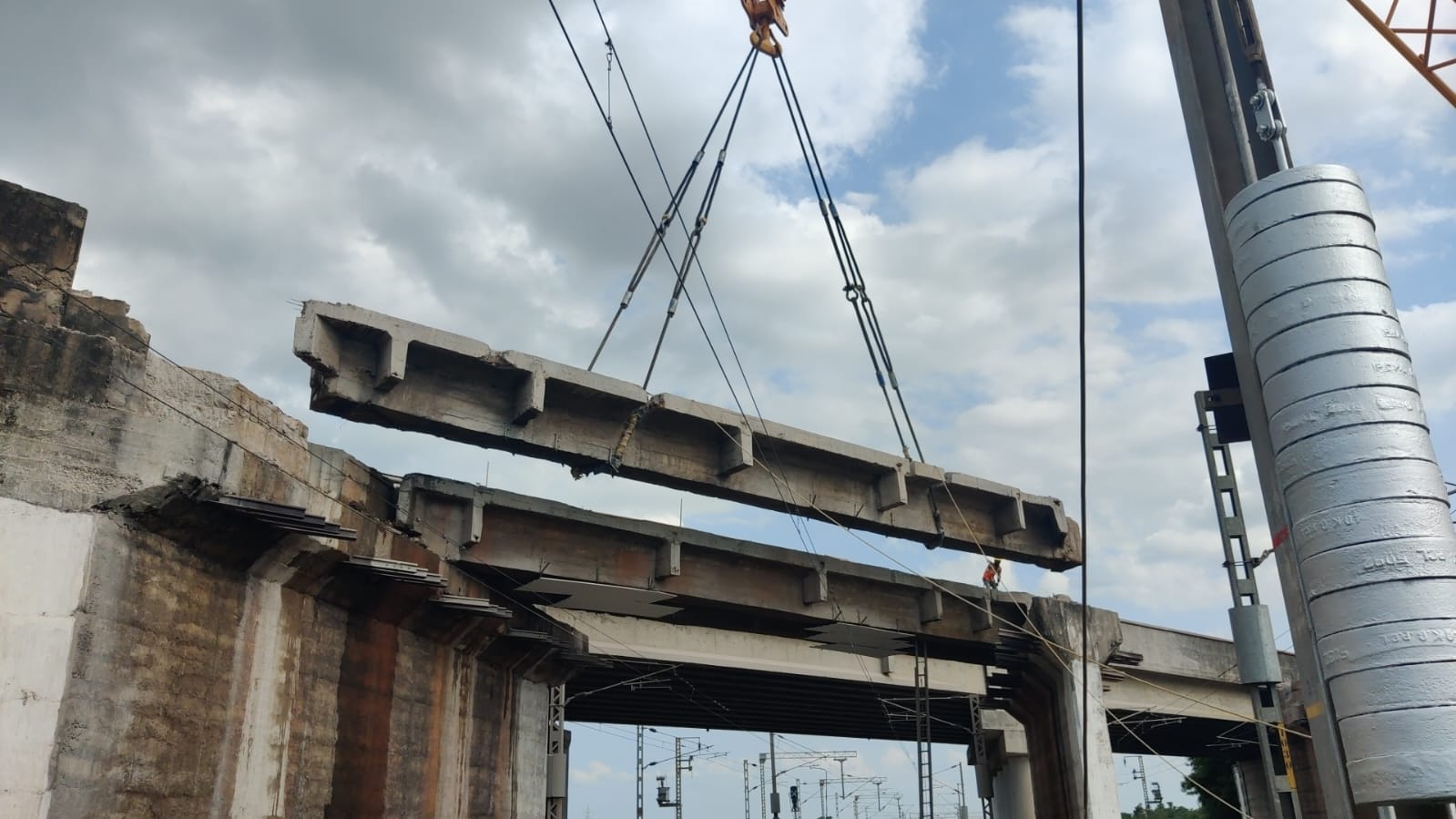
- Beam and girder removal
- Parapet wall removal
- Expansion joint removal
- Concrete cutting and breaking
- Reinforcement cutting
- Structural dismantling
- Debris removal
- Scrap recovery
- Site clearance
Bridge Demolition Services by Malik Trading and Demolition
1. Complete Bridge Demolition
We undertake complete demolition and dismantling of existing bridges that are obsolete, damaged, structurally unsuitable, or scheduled for replacement.
The work is planned in stages to control the removal sequence and maintain safety throughout the operation.
2. Partial Bridge Demolition
Some projects require only a specific portion of a bridge to be removed.
Partial demolition may include:
- Bridge deck
- Selected spans
- Side structures
- Parapets
- Approach structures
- Damaged sections
- Pier caps
- Specific RCC components
Selective dismantling helps retain portions of the structure that are required for the next stage of construction or rehabilitation.
3. RCC Bridge Demolition
RCC bridges contain heavily reinforced concrete components that require suitable demolition equipment and controlled methods.
We can undertake demolition of:
- RCC deck slabs
- RCC beams
- RCC girders
- RCC piers
- Pier caps
- Abutments
- Wing walls
- Concrete barriers
- Approach slabs
4. Bridge Deck Demolition
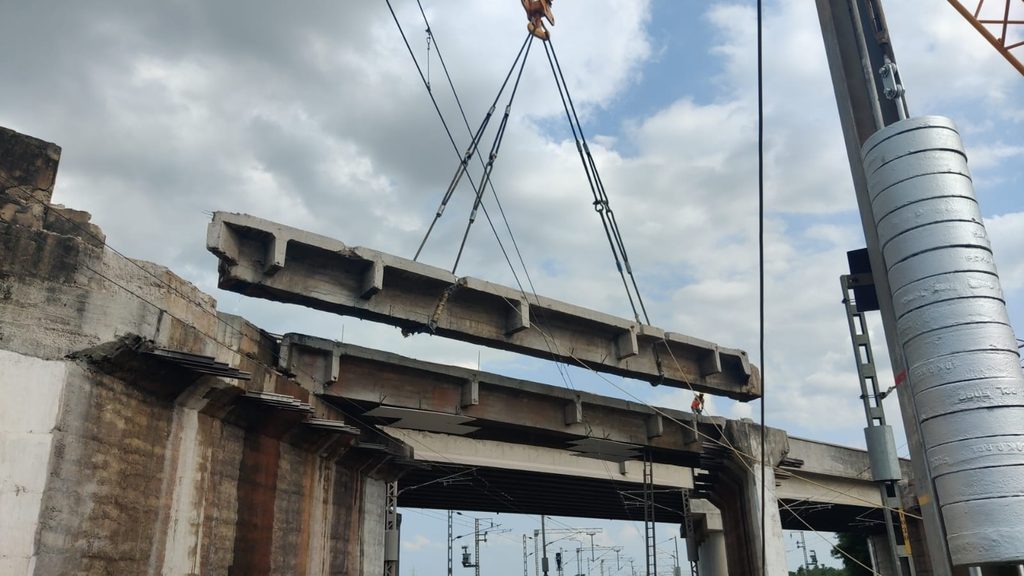
Bridge decks can be dismantled using suitable mechanical equipment or precision concrete-cutting techniques depending on the structure and site conditions.
Special attention is required when working above active roads, railways, waterways, or other infrastructure.
5. Pier & Pier Cap Demolition
Bridge piers and pier caps are major load-bearing components. Their removal requires proper sequencing and engineering assessment to avoid unintended structural movement.
Suitable hydraulic breakers, concrete crushers, cutting systems, or lifting arrangements may be used depending on the project.
6. Steel Bridge Dismantling
For steel bridges and steel bridge components, dismantling may involve:
- Steel girders
- Trusses
- Cross beams
- Structural frames
- Platforms
- Railings
- Walkways
- Steel supports
Cutting, lifting, and material-handling operations are planned according to the structural configuration.
7. Flyover Demolition
We provide Flyover Demolition Services for elevated road structures and associated components.
The scope can include:
- Flyover deck demolition
- RCC pier demolition
- Pier cap removal
- Beam/girder dismantling
- Crash barrier removal
- Parapet demolition
- Approach ramp demolition
- Concrete breaking
- Debris clearance
8. Bridge Concrete Cutting & Breaking
Controlled concrete removal may require specialized techniques such as:
- Hydraulic breaking
- Concrete crushing
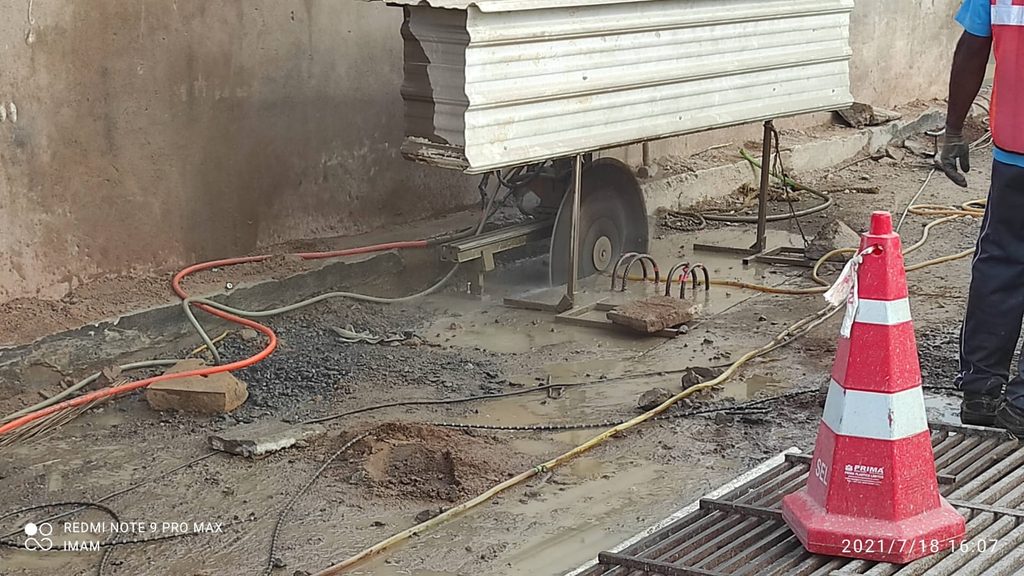
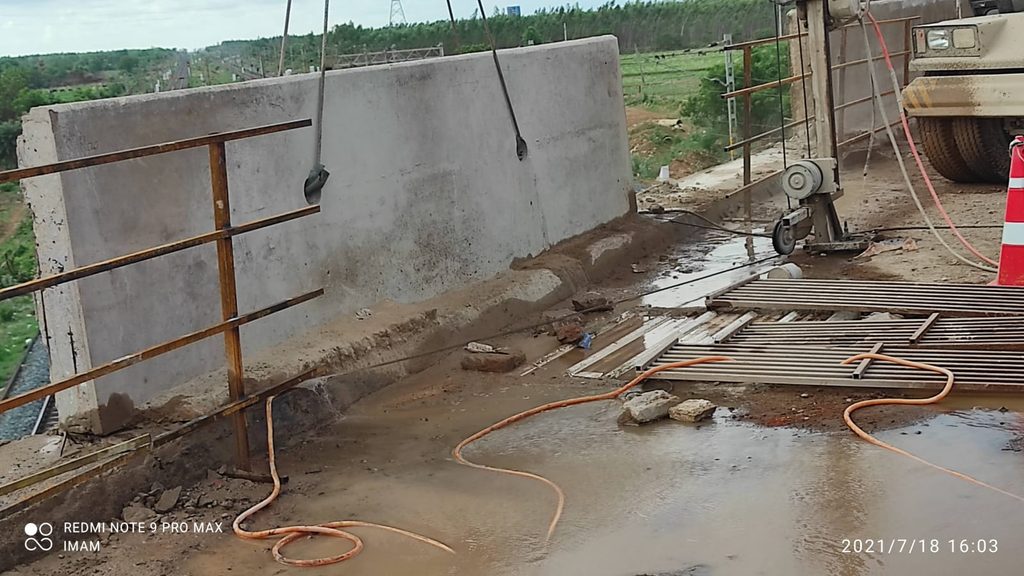
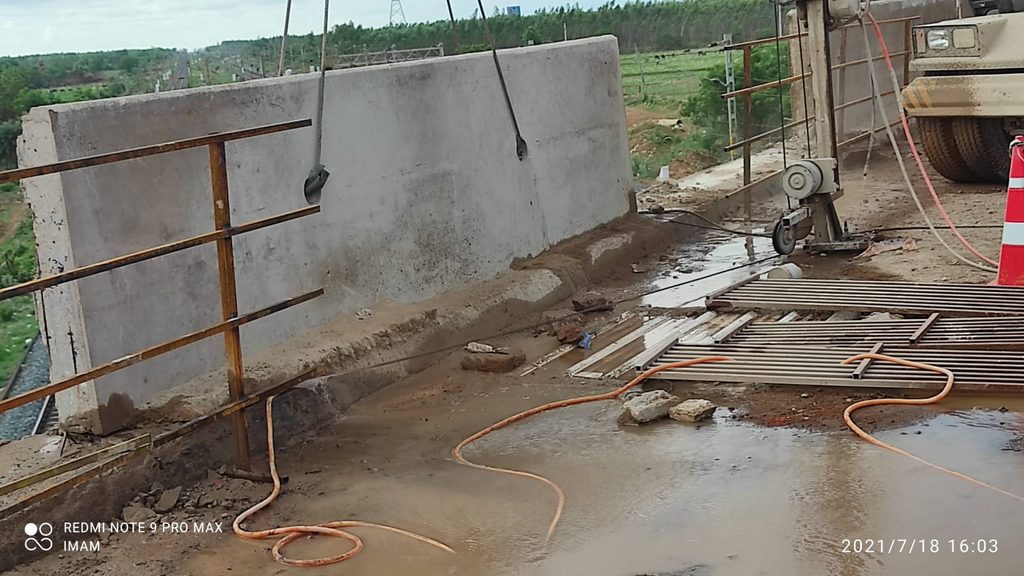
- Diamond cutting
- Wall sawing
- Core cutting
- Wire sawing
The appropriate method depends on structural requirements, access, working conditions, and the required level of precision.
9. Bridge Reinforcement Cutting
During RCC demolition, exposed reinforcement may need to be cut and separated from concrete using suitable equipment and safe working procedures.
10. Bridge Debris Removal
Concrete, reinforcement steel, structural steel, masonry, and other demolition materials are collected, segregated, loaded, transported, and cleared according to project requirements.
Bridge Demolition Safety
Safety is a critical part of every bridge demolition project.
Potential hazards include:
- Structural collapse
- Falling concrete
- Falling steel
- Working at height
- Heavy machinery
- Traffic movement
- Electrical utilities
- Railway operations
- Water bodies
- Dust
- Noise
- Lifting operations
Safety measures may include:
- Pre-demolition structural assessment
- Controlled access
- Barricading
- Exclusion zones
- Appropriate PPE
- Traffic management
- Utility isolation
- Safe equipment operation
- Fall protection
- Dust suppression
- Emergency planning
- Continuous site supervision
Indian bridge-dismantling specifications also call for measures such as water spraying for dust reduction, protective screens where required, suitable PPE, and precautions against damage to existing bridge components
Bridge Demolition Equipment
Depending on the project, we can deploy suitable demolition and material-handling equipment such as:
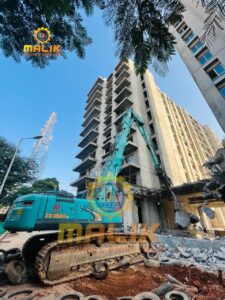
- Hydraulic excavators
- High-reach excavators
- Hydraulic breakers
- Concrete crushers
- Pulverizers
- Hydraulic shears
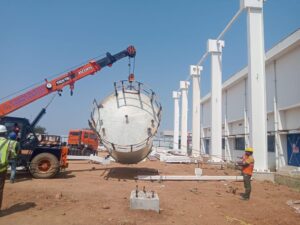
- Cranes
- Material handlers
- Diamond cutting equipment
- Wire saw equipment
- Core cutting equipment
- Lifting equipment
- Water-spraying systems
- Loading and transportation equipment
Equipment selection depends on bridge height, structural configuration, accessibility, demolition sequence, and surrounding conditions.